My second Gish this week and I've seen two excellent performances from Dorothy and Lillian that could hardly
be more different.
This was DW Griffith in his peak run, following up Intolerance with a tale of inter-racial
love, brutish intolerance and steadfast faith in gods and each other. Apparently,
it was Mary Pickford that recommended Eltham-born Thomas Burke’s book of short
stories, Limehouse Nights (1916) to
Griffith and Broken Blossoms was based
on the story, The Chink and the Child…
alliteration can get you many places but, this case, it can’t guarantee your
title will stand the test of time.
Burke was not impressed with the end product but DW took his
outline and delivered an intense, close-quarters song of love and hate that was
probably the only way he could go after Babylon. The set is shrouded in
pea-soup fog and maybe it pre-figures German films of the twenties and even
Film Noir with its foreboding atmosphere and singular lack of a guaranteed
happy ending.
 |
| Lillian Gish |
Those Germans may have had Emil Jannings but America had
perhaps the greatest physical actor of the generation in Lillian Gish, a woman
who generates such frailty that you doubt she’ll make it through the film. From
the outset, her character Lucy – supposedly a teenager – is so weak she cannot
even raise a smile. She was delivered onto the doorstep of her father, boxer
Battling Burrows (Donald Crisp with cauliflower ear painfully folded over like
a pasty!) by one of his former lovers and has had to endure his disdain for all
the intervening years.
Burrows isn’t a battler he’s just a brute and he treats his
daughter like dirt. Lucy waits on him and has to stand by to see if there will
be any food left over for her to eat. She is so beaten down she cannot stand
straight and the only way she can force a smile is by using her fingers to
push the edges of her mouth up…. imagine a life so full of unrelenting sadness
that smiling is physically unlearned?
 |
| Donald Crisp |
You can well understand why Griffith took a number of months
to finish the film in post-production, he confessed that he couldn’t look at “…the damned thing; it depresses me so.”
Yet finish it he did and it is one of his most complete and revered films.
That said, this is DW and so we must confront the anachronistic
elephant in the screening room… but what’s it doing there I hear you cry, you
only get elephants in India? Whilst there are actors of Chinese origin in the
film, the lead role and other key parts are played by white actors with quite
horrible make up. We are at a point here between Sessue Hayakawa and Anna May
Wong and it was deemed that Richard Barthelmess would make for a more
acceptable hero as Cheng Huan than an actor requiring less make up...
He does a decent job through the goop and it’s just one of those 100-year old
things you have to try contextualise; a bit like the Elizabethan boys playing
girls in Shakespeare, the British Empire and, in the far future, a multiple bankrupt, TV personality being US President… that sort
of thing.
 |
| Richard Barthelmess |
Cheng is shown at the film’s start preparing to take his
faith to the West and encountering American sailors having a wild time in the
Chinese port in which he lives. Griffith goes out of his way to set up Cheng’s Buddhist background with a frequently referenced shot of temple bells and is at
pains to stress the sincerity of beliefs every bit as heartfelt as those in the
West.
Cut forward a few years and Cheng is a weary walker in East
London streets, leaning against the front of his shop as he relives how his
attempt to bring a new faith to aggressive Anglo-Saxons has turned sour. He survives
in London’s notorious Limehouse (before it was riddled with City financiers) and
having chased one dragon too many lives a disappointed life as a gambling,
self-medicating shopkeeper.
 |
| Living in terror |
But Cheng hasn’t lost his good nature even if he has been
worn down. He watches Lucy often in their street and loves her from a far,
seeing the beauty that all of Limehouse ignores. After one particularly savage beating,
she literally falls into his doorway and he helps her recover. There are some
sweet scenes between the two as gifts are given and affection grows even though
Lucy is alarmed by one close encounter as The Yellow Man (cringe) pulls out of
an intended kiss.
This is too early for an interracial happy ending (see above)
and sure enough, Lucy is spotted and her father told. He has a big boxing match
across the river but once he’s done with his opponent he’ll be right over to
meet out further punishment...
 |
| Barthelmess and Gish |
Against this harsh, unrelenting force, the flowers that
signify and surround Lucy and Cheng seem so hopelessly futile and, of course,
blossoms are the most fleeting of all flowers. Cheng describes Lucy as his
White Blossom and Gish acts as much like a spring bloom as any person could, her
presence being even more insubstantial and fragile than usual – she is almost
too painful to watch.
Lucy's interaction
with her thuggish father has Gish conveying a hopeless mix of sadness and terror through her
forced smiles: the actorly equivalent of rubbing your tummy, tapping your head
and hopping on one leg… all submerged deeply in character. Barthelmess is
unfortunately little more than a prop in their scenes together – well I wasn’t
watching him - whilst Lillian exhibits her full range of tender
intricacies. Victorian child-woman and all those things Griffith wanted her to
be, Lillian Gish still dazzles with her virtuosity: her talent outshining her
director.
 |
| An horrific moment as Lucy tries to avoid another beating |
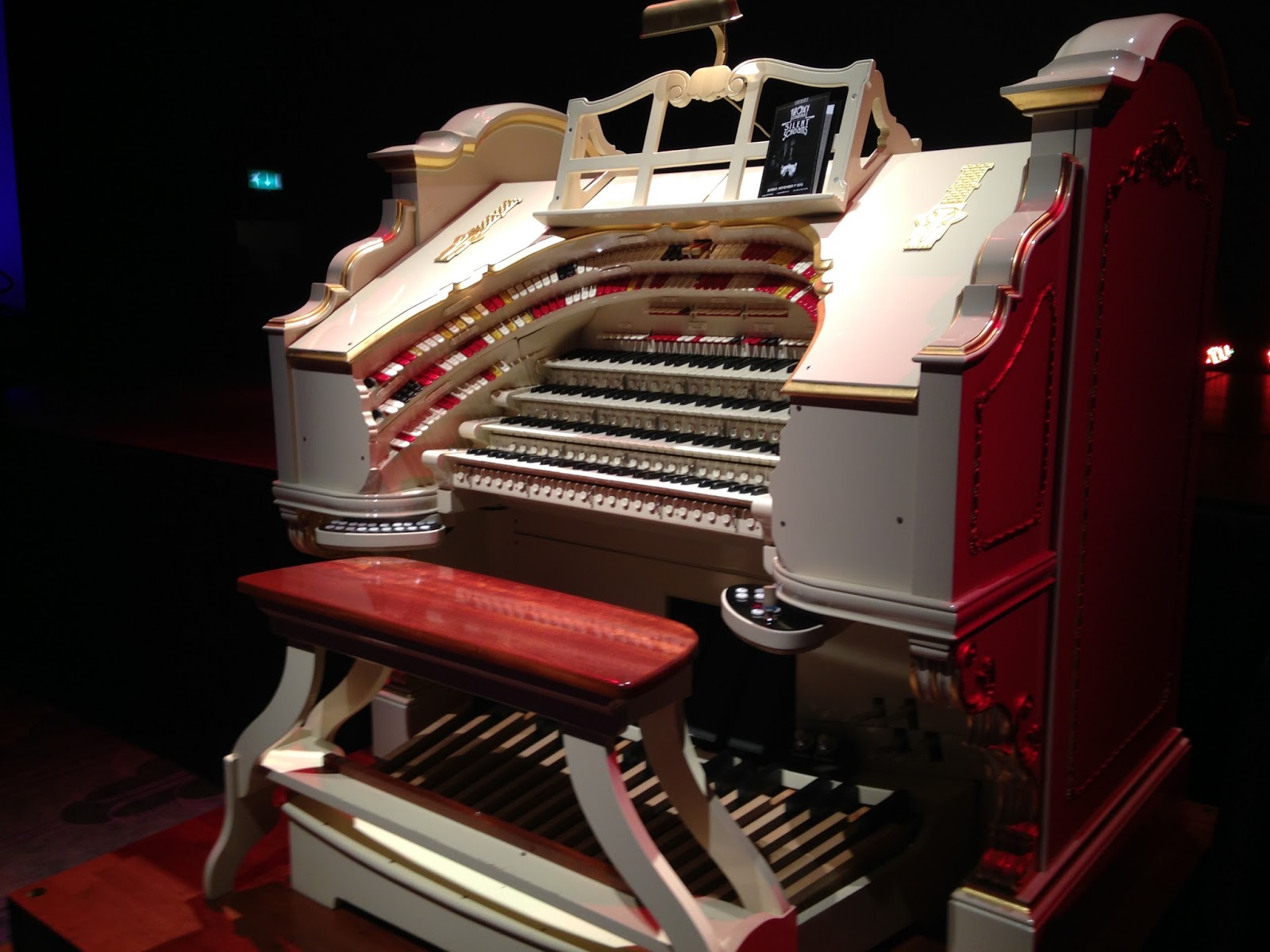
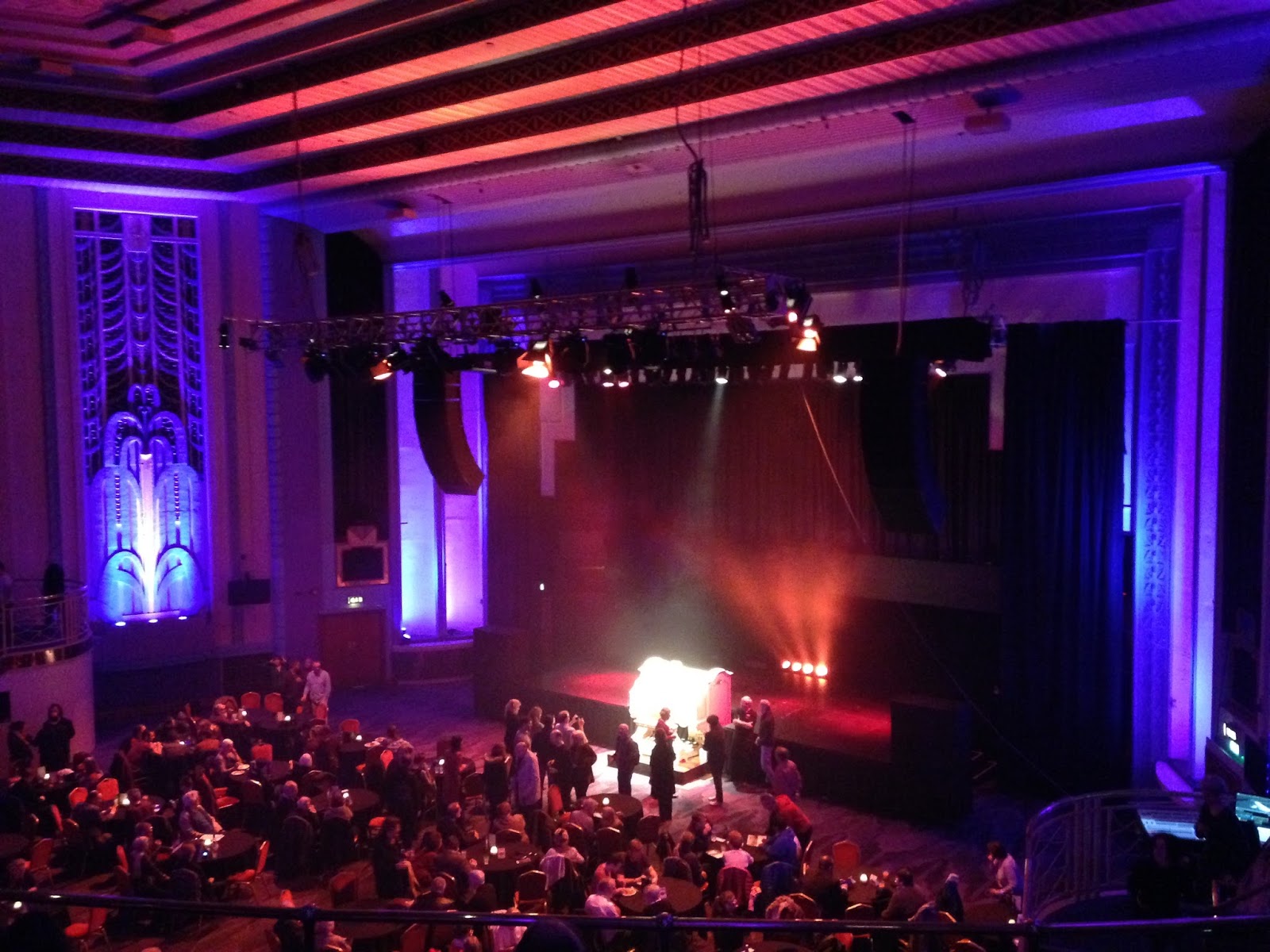
Donald MacKenzie accompanied on the Regent Street Cinema’s
organ and showed just why he is one of the leading players in the UK. The
organ is so evocative of the picture house past that it works in different –
very specific - ways to piano which has a more timeless feel. To play beyond the
audience’s tonal expectations requires narrative awareness as well as sensitive
technique and Mr McKenzie has clearly mastered both. After a while you forget
about the sound and just feel along to the music and the bells … and the
whistles!
The print was not the best but there’s exciting news of a new
restoration emerging from Paris – Silent London has an update on this and other
treats in store in her latest podcast. Broken Blossoms is another tricksy Griffith film for us 21st
Century folk but for Billy Bitzer’s camerawork, DW's cinematic vision and
Lillian's guts this is one I would like to watch again and with the new Carl Davis
score!




+colour.png)


+hill+trip.jpg)